
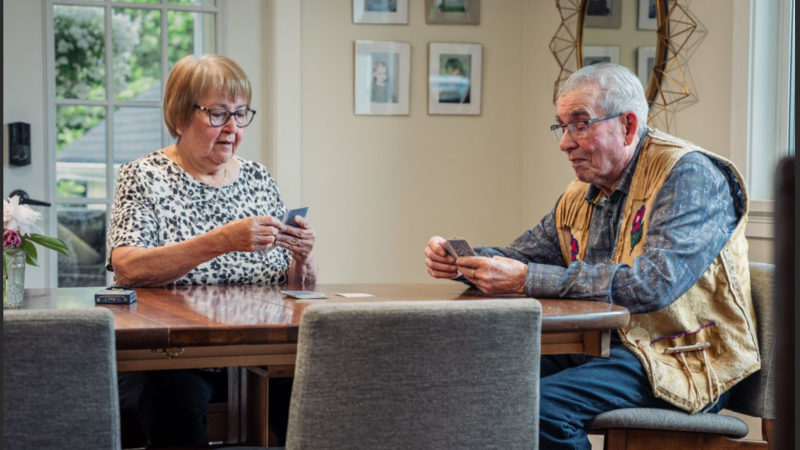
Physical and social engagement in the later years of life carries benefits that go far deeper than most people realize, touching every dimension of health and well-being in ways that science continues to document with increasing clarity and specificity. For seniors who want to live their later years with energy, independence, and a genuine sense of vitality, regular physical movement and meaningful engagement are among the most powerful tools available, and they are accessible to people across a remarkably wide range of abilities and health conditions. The evidence connecting an engaged, physically and socially active life in later years with better cognitive function, stronger physical health, improved mood, and greater longevity is extensive and compelling, and understanding exactly what these benefits look like in practice motivates the kind of consistent, joyful engagement that produces them. This is not about achieving athletic performance or conforming to any particular image of what a senior should look like; it is about honoring the body and mind with the movement, connection, and purpose they thrive on at every stage of life.
Physical Movement Supports Strength, Balance, and Independence
Regular physical movement is one of the most direct investments a senior can make in their own functional independence, as the strength, balance, and flexibility that movement builds and maintains are the practical foundations of the ability to perform daily tasks, move safely through the world, and recover more readily from illness or injury. Even modest amounts of regular movement, including walking, gentle stretching, chair exercises, swimming, or participation in group fitness programs, produce meaningful improvements in muscle strength, joint mobility, and cardiovascular function that translate directly into better daily function and reduced risk of falls, one of the most significant threats to independence and quality of life for older adults. Seniors who move regularly tend to recover from health setbacks more quickly, maintain their independence longer, and require less assistance with daily tasks than those who are largely sedentary, making physical engagement one of the most practical and direct investments in long-term autonomy. Senior living communities that offer a thoughtful range of fitness programs and encourage residents to find movement that they genuinely enjoy make it easier to build and sustain the regular movement habits that produce these benefits over time. The goal is not intensity or performance but consistency and enjoyment, and finding movement that feels good and fits naturally into daily life is the key to making it last.
Cognitive Engagement Supports Mental Sharpness
The brain benefits profoundly from ongoing cognitive engagement and stimulation, and seniors who challenge their minds regularly through learning, problem-solving, creative expression, and social interaction maintain sharper cognitive function and show greater resilience against cognitive decline than those whose mental lives become less varied and challenging over time. Learning something genuinely new, whether a language, an instrument, a craft, or a body of knowledge, creates new neural connections and sustains the kind of cognitive flexibility that supports clear thinking, memory, and the ability to adapt to new situations. Reading, writing, puzzles, games, and participation in intellectually stimulating conversations and programs all contribute to cognitive engagement that keeps the mind alert and engaged over time. Social interaction is itself a form of cognitive engagement, as the processing of social cues, the give-and-take of conversation, and the emotional richness of relationships all stimulate the brain in ways that solitary activities cannot fully replicate. Seniors who pursue genuine intellectual and creative interests, who remain curious and open to new ideas, and who invest in the social connections that make life interesting and meaningful are consistently those who maintain the sharpest and most resilient cognitive function through their later years.
Social Connection Protects Emotional Health
The emotional benefits of social connection for seniors are among the most thoroughly documented findings in gerontological research, with consistent evidence linking regular social engagement to lower rates of depression, greater resilience in the face of health challenges, and significantly higher overall life satisfaction. Isolation and loneliness, by contrast, are associated with serious negative health consequences that rival those of well-known physical risk factors, and they are unfortunately common experiences for seniors who lack regular meaningful social contact. Senior living communities provide a naturally social environment in which daily life includes regular interaction with neighbors, shared meals, group programs and events, and the kind of informal social contact in common spaces that builds the sense of belonging and connection that supports emotional well-being. Friendships formed within a senior living community can be genuinely deep and meaningful, built through daily proximity and shared experience in ways that are often more accessible than the social opportunities available to seniors living alone. Seniors who invest in social connection, who show up for programs, introduce themselves to neighbors, and make an effort to build relationships within their community, consistently find that the emotional rewards are among the greatest benefits of community living.
Engagement Supports Purpose and Meaning
Beyond the physical and cognitive benefits, an engaged life in later years supports the sense of purpose and meaning that is one of the most important components of genuine well-being at any age. Seniors who have things to look forward to, interests that absorb their attention, contributions to make to others, and a sense that each day offers something worthwhile to engage with report significantly higher levels of life satisfaction and overall happiness than those whose days have become largely undifferentiated and without clear purpose. Volunteering, mentoring, participating in community governance, sharing skills and knowledge with others, and simply being a warm and reliable presence in the lives of neighbors and friends all provide the sense of contribution and connection that keeps purpose alive in the later years. Senior living communities that design their programs and culture around the genuine interests, talents, and preferences of their residents create environments in which purpose finds natural expression and in which residents feel genuinely valued as the individuals they are. The sense of being known, appreciated, and meaningfully connected to a community of people who care about one another is itself a form of engagement that nourishes the spirit in ways that are just as important as physical movement and cognitive challenge.
A Community That Encourages Meaningful Engagement
The environment in which a senior lives has a significant influence on how naturally and consistently they are able to maintain the engagement that produces all of these benefits, and senior living communities that build rich programs, warm social environments, and genuine encouragement of individual interests into the fabric of daily life make engagement easier and more sustainable than trying to build it independently. For seniors in the Farmington, CT area who want to live their later years with genuine vitality, social richness, and a full range of opportunities for physical, cognitive, and social engagement, exploring Active Independent Living in Farmington, CT reveals a community where independent living is designed around the real interests and preferences of residents, with programs, events, and a genuine sense of community that makes meaningful engagement a natural part of every day. Visiting in person and spending time with current residents is the best way to understand what daily life in a particular community actually feels like and whether it aligns with the vision of engaged, purposeful later years that every senior deserves.
Conclusion
The benefits of remaining physically, cognitively, and socially engaged in later years are profound, well-documented, and available to seniors across a wide range of abilities and circumstances. From stronger physical function and sharper cognitive health to better emotional well-being and a deeper sense of purpose and meaning, engagement is one of the most powerful investments a senior can make in the quality of their later years. The most important thing is not the specific form that engagement takes but the consistent, joyful commitment to showing up fully for the life that each day offers.