
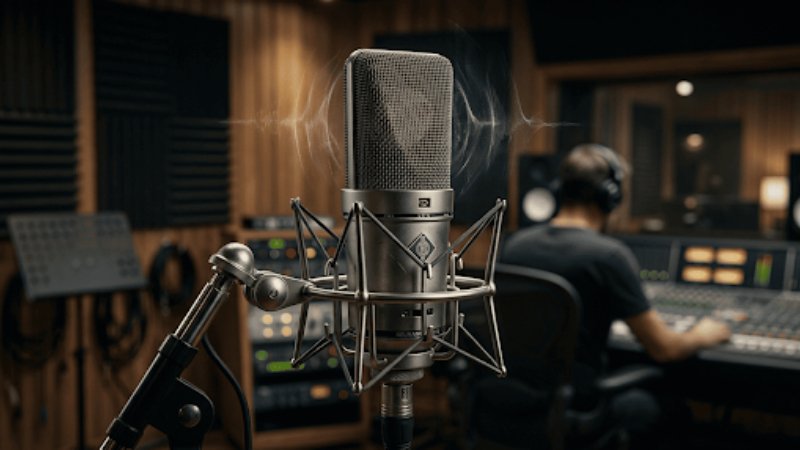
Video content is often judged by how it looks. Visual quality has traditionally been the main focus, with lighting, motion, and composition getting most of the attention. Audio, on the other hand, was usually treated as a secondary layer that could be adjusted later.
That balance is starting to change. Viewers are becoming more sensitive to how a video sound. Even if visuals are strong, poor audio can make the entire experience feel incomplete. As a result, audio is no longer just a supporting element. It is becoming a defining factor in how content is perceived. This shift is also influencing how creators prioritize different elements during production.
This shift is becoming more noticeable as tools like Higgsfield AI continue to improve how video and audio are generated together.
Audio Has Moved from Support to Core Experience
In traditional workflows, audio was often added after visuals were finalized.
Dialogue, background sound, and effects were layered during post-production. This created a separation between what viewers saw and what they heard. That separation often led to inconsistencies.
Elevating audio quality as a key differentiator is becoming more relevant as audiences expect sound and visuals to feel connected. Audio is now part of the core viewing experience, not an afterthought. It directly influences how content is perceived from the first second. It also shapes the overall impression of quality.
Integrated Audio Reduces Misalignment
One of the biggest challenges in video production is syncing audio with visuals. Even small mismatches in timing can break immersion. Lip-sync issues or poorly aligned background sound can make content feel unnatural.
This is where Higgsfield AI and Seedance 2.0 begin to make a clear impact. By generating audio and visuals together, they reduce the chances of misalignment.
Because both elements are created in a single process, the output feels more cohesive. This reduces the need for manual syncing. It also improves the overall quality of the final output. Fewer corrections are needed after generation.
Sound Quality Influences Perception
Viewers often judge quality through sound without realizing it. Clear dialogue, balanced background audio, and natural sound effects create a sense of realism. Poor audio does the opposite.
Seedance 2.0 improves audio quality within Higgsfield AI by ensuring that sound elements are aligned with the scene. This creates a more immersive experience. It also helps maintain attention for longer durations.
Better sound leads to stronger engagement. It also improves how content is remembered. It adds depth to the viewing experience.
Audio Enhances Emotional Impact
Sound plays a key role in how content feels. Music, tone, and ambient audio influence how viewers interpret a scene. If audio is not aligned with visuals, the emotional impact is reduced.
Seedance 2.0 supports emotional alignment by integrating audio directly within Higgsfield AI. This helps maintain consistency between what is seen and what is felt. It also strengthens storytelling.
Stronger emotional connection leads to better viewer retention. It makes content more relatable and impactful.
Consistency Across Scenes Matters
Audio consistency is just as important as visual consistency. Changes in volume, tone, or background noise can disrupt the experience. Seedance 2.0 maintains audio consistency across scenes within Higgsfield AI. This ensures that the entire video feels connected.
Consistency improves overall quality perception. It also reduces distractions for viewers. A stable audio environment improves comfort.
Reducing Post-Production Effort
Audio correction is often a time-consuming process. Editors spend time adjusting levels, syncing dialogue, and refining sound. Seedance 2.0 reduces this effort by generating aligned audio during the initial process within Higgsfield AI.
This minimizes the need for manual adjustments. It also speeds up production timelines. Teams can focus more on creativity.
For those exploring how audio improves production quality, sound design in video highlights the importance of aligned audio.
Audio as a Competitive Advantage
As video quality improves across platforms, differentiation becomes harder. Visual improvements alone are no longer enough. Audio is emerging as a key factor that sets content apart.
Seedance 2.0, especially within Higgsfield AI, is helping creators use audio as a competitive advantage. Better sound makes content more engaging and more memorable.
This gives creators an edge. It also improves brand perception and audience trust.
Viewer Expectations Are Changing
Audiences now expect audio to match the quality of visuals. They notice when the sound feels off, even if they cannot explain why. Higgsfield AI is contributing to this shift by raising the standard of audio quality. As viewers experience better sound, their expectations increase.
This makes lower-quality audio more noticeable. Expectations continue to evolve with exposure. Viewers become more selective over time.
The Future of Video Quality Includes Sound
Video quality is no longer just visual. It includes how sound, motion, and visuals work together. Seedance 2.0 supports this by integrating audio into the generation process within Higgsfield AI.
This creates a more complete output. It also reflects the direction in which content creation is heading. Audio will continue to play a bigger role.
Conclusion
Audio is now a major aspect in determining how content for video is judged. It’s no longer an afterthought to visuals. It’s part of the overall experience.
Seedance 2.0 is making audio quality a competitive advantage through integrating sound and visuals right from the beginning. When it is integrated with Higgsfield Artificial Intelligence, it produces videos that feel complete and more immersive.
As expectations continue to increase and expectations continue to rise, audio will play a greater role in defining the quality. It will influence the way that content is perceived and will be remembered.
The most effective videos won’t simply look nice, they’ll sound great too.