
Table of Contents
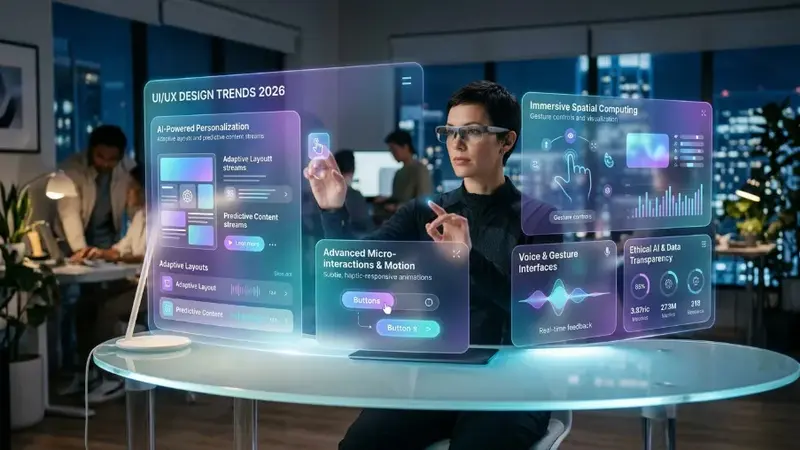
- Personalized User Experiences
- Voice-Activated Interfaces
- AI-Driven Emotional Intelligence
- Multimodal Interactions
- Enhanced Accessibility Features
- Micro-Interactions and Feedback
- Data Privacy and Security
- Conclusion
As chatbots continue to transform digital communication, understanding and implementing the most current UX trends is vital for creating outstanding user experiences. In 2026, innovation in chatbot design is more critical than ever, with leading brands rapidly evolving their approaches to interaction and usability. By staying informed about best practices and examining examples of chatbot UI design, businesses can ensure their solutions deliver both value and delight.
The integration of advanced personalization, accessibility, and emotional intelligence features is setting new standards for what users expect from bot conversations. These design improvements do more than simplify tasks; they foster real engagement and long-term brand trust. The following sections explore key trends shaping the future of chatbot UX, offering actionable insights to guide your next development project.
Personalized User Experiences
Personalization is at the heart of effective chatbot interactions in 2026. Modern systems can track user history, preferences, and behavior, adapting recommendations and responses accordingly. This ability to provide a custom-tailored experience results in more meaningful and productive conversations, directly impacting user satisfaction and engagement rates.
Beyond just recognizing a returning user or displaying a first name, today’s chatbots leverage machine learning to anticipate needs and preemptively offer solutions. For example, an e-commerce chatbot might suggest products based on browsing history or highlight promotions that align with the user’s shopping tendencies. The most successful bots unobtrusively collect and use data to eliminate repetitive queries and help users reach their goals faster. As personalization becomes more sophisticated, ethical considerations around transparency and user consent become even more vital for building positive, long-lasting relationships.
Voice-Activated Interfaces
The advent of voice assistants like Siri and Alexa shifted user expectations across the digital landscape. As a result, voice-activated chatbot interfaces are becoming more prominent, offering users a seamless way to interact, especially in mobile and smart home environments. Voice interfaces not only accommodate multitasking but also provide critical accessibility improvements for users with disabilities.
Integration with voice assistants is also leading to more natural and dynamic conversations. Advanced natural language processing (NLP) enables chatbots to handle nuance, slang, and different accents, reducing friction in user interactions. In industries such as automotive, healthcare, and hospitality, voice-first chatbots are being adopted to streamline complex workflows and automate previously manual tasks.
AI-Driven Emotional Intelligence
Emotional intelligence in chatbots is now standard. By analyzing user sentiment through text or voice, bots can respond empathetically, helping defuse negativity and boost loyalty. A recent TechRadar report states that emotion-aware AI improves customer satisfaction and trust. These bots can escalate issues to humans when needed, ensuring users feel heard. As they better interpret cues like hesitation, chatbots help de-escalate tense situations. Emotional intelligence also enables bots to maintain brand personality, adding a human touch that fosters affinity.
Multimodal Interactions
Providing various communication methods—text, voice, images, video—enhances chatbots’ versatility and user-friendliness. Multimodal chatbots clarify instructions, provide interactive guides, and simplify complex concepts, especially in healthcare and technical support. Interactive visual tools like clickable menus and carousels support decision-making, such as travel booking bots displaying images and filters or educational bots using diagrams. Incorporating rich media improves clarity, reduces cognitive overload, and creates a more engaging experience across platforms.
Enhanced Accessibility Features
Accessibility continues to progress as an essential aspect of chatbot UX. Innovations such as improved screen reader support, keyboard navigation, and high-contrast themes are ensuring that individuals with visual, auditory, or cognitive impairments can access digital services. Prioritizing accessibility not only broadens a chatbot’s audience but also fulfills important legal and ethical commitments.
Developers are increasingly prioritizing compliance with accessibility standards such as WCAG and ARIA. Sensory-friendly modes, clear error messages, and voice output for important notifications are a few ways bots are being engineered to support diverse needs. As global companies seek to serve all customers, making chatbots accessible becomes a competitive advantage and a reflection of a brand’s core values.
Micro-Interactions and Feedback
Small, well-designed animations and feedback mechanisms, such as loading dots, confirmation check marks, or gentle vibrations, enrich the user’s journey. These micro-interactions are both functional and delightful, guiding users through conversations, highlighting successful inputs, and clarifying system responses. Consistent micro-feedback reduces confusion and makes chatbot interactions feel smoother and more intuitive.
With the increasing focus on delight and usability, designers are drawing inspiration from game design and social media. Subtle sound cues, celebratory animations, or confetti bursts upon successful task completion turn mundane actions into memorable moments. These seemingly minor touches play a crucial role in increasing engagement, encouraging users to return, and building overall satisfaction with the chatbot experience.
Data Privacy and Security
Robust data privacy and security protocols are crucial as chatbots manage sensitive personal and financial information. Users expect transparency in data practices, while regulators are enhancing compliance demands. Essential features include transparent privacy policies, encryption, and consent-driven interactions to foster trust and mitigate risk. Organizations should implement data anonymization, end-to-end encryption, and user-controlled settings, and educate users on their privacy rights. Strong security measures not only ensure compliance but also act as a competitive advantage in prioritizing trust.
Conclusion
Leading UX design trends for chatbots in 2026 emphasize deep personalization, emotional engagement, inclusivity, and strong privacy protections. Developers and designers adopting these trends will enhance the reliability of their solutions in digital interactions, aligning with user expectations and regulatory standards. As technology evolves, prioritizing user needs and inclusivity will be crucial to the success of chatbot development. Future advancements promise significant shifts, driven by innovations in natural language processing, cross-device compatibility, and adaptive interfaces. Upcoming improvements are expected to entail enhanced integration with IoT devices, improved contextual awareness, and real-time language translation, fostering global brand-user interactions. The most impactful chatbots will be characterized by empathy, adaptability, and a commitment to addressing users’ diverse needs.