
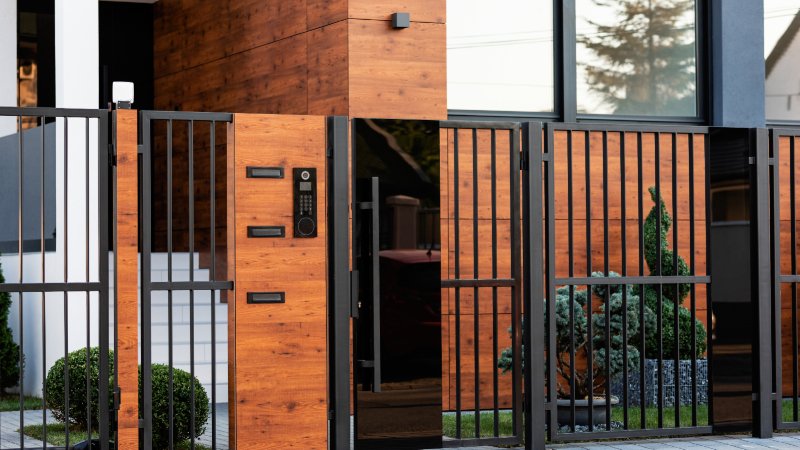
Ask around in any neighbourhood where homes are being upgraded, and one thing comes up again and again- what does it actually cost to install proper driveway gates?
Most people start with aluminium driveway gates because they’ve become the go-to option for modern homes. They look clean, hold up well in Australian weather, and fit both simple and more architectural designs. Then comes the next step: adding automation, which is where automated swing gates enter the picture.
The tricky part is that pricing isn’t something you can pin down in one line. Two homes on the same street can end up with completely different quotes, even for similar-looking gates.
What usually shapes the price
When installers talk through a quote, it rarely starts with material. It starts with the opening.
A wide driveway, a slope, or a tight street access point can change things quickly. Then comes design- some homeowners prefer straight slats for a clean look, others want more privacy or a custom pattern.
A few things always end up affecting the final number:
- Gate width and height
- Design detail and fabrication work
- Type of aluminium finish chosen
- Automation system (or none at all)
- On-site installation conditions
Even small design changes can shift the cost more than expected.
Aluminium driveway gates cost in real situations
For aluminium driveway gates, most real-world pricing in Australia tends to fall into a fairly familiar range.
Smaller, straightforward gates often sit around the lower end. Once design work and custom fabrication come in, the numbers rise steadily.
Typical range homeowners see:
- Basic residential setups: roughly $2,000–$4,000
- Custom modern designs: about $4,000–$7,500
- High-end architectural gates: $7,500–$12,000+
What’s interesting is that aluminium itself doesn’t usually drive the biggest cost difference. It’s the design detail and how the gate is built to match the property.
Some homes go for matching pedestrian gates; others coordinate fencing lines across the front yard. That level of consistency adds to fabrication time, which is reflected in pricing.
Workshops like Schmidt Aluminium often work on tailored designs where the gate is built around the home’s style rather than a standard template, which is usually where pricing becomes more specific to the project.
Where automated swing gates change the game
Once automation is added, the conversation shifts completely.
Automated swing gates aren’t just about opening and closing remotely. They’re about motors, safety systems, and making sure everything moves smoothly every day without strain on the structure.
A basic setup might just include a motor and remote access. More advanced systems connect to phones, sensors, and even smart home setups.
Common pricing ranges:
- Entry-level automation: $1,500–$3,000
- Mid-range systems: $3,000–$5,000
- Advanced smart systems: $5,000–$6,500+
When combined with gate fabrication, full installations usually land somewhere between $4,000 and $15,000, depending on size and complexity.
What changes the price most:
- Weight of the gate (heavier designs need stronger motors)
- Speed and smoothness of operation
- Safety sensors and obstruction detection
- Wiring distance from the power source
- Backup battery setup for outages
A simple driveway setup is very different from a wide entrance with heavy double swing gates.
Installation often surprises people
The gate itself is only part of the work. Installation is where a lot of real adjustment happens.
A flat, newly built driveway is usually straightforward. But older properties often need extra preparation.
Installers usually deal with:
- Concrete footings for posts
- Ground levelling or adjustment
- Electrical trenching for automation
- Fine alignment so both gates meet properly
- Clearance checks for swing movement
This stage is where the system either feels smooth or becomes frustrating later on, so most of the effort goes into getting it right at the start.
Why does aluminium keep showing up everywhere?
There’s a reason aluminium has taken over a lot of modern driveway projects. It fits how people are building today- clean lines, low maintenance, and long-term stability.
With aluminium driveway gates, homeowners usually get:
- A modern look that suits most house styles
- Resistance to rust and coastal weather
- Lightweight structure that works well with automation
- Simple maintenance over the years
- Flexible design options without heavy framing
It’s become a practical choice rather than just a design trend.
Long-term cost is where it makes sense
The upfront price gets attention, but most homeowners judge value later on.
Aluminium gates tend to stay consistent in appearance, even after years outdoors. Automated systems usually just need occasional servicing.
Typical upkeep includes:
- Cleaning the surface occasionally
- Checking motor function
- Light servicing of hinges and moving parts
- Sensor alignment checks when needed
There’s not much ongoing effort once the system is installed properly, which is part of why these setups are becoming more common in suburban and coastal areas.
Conclusion
The cost of aluminium driveway gates and automated swing gates isn’t fixed because every property brings its own layout and design choices into the mix. What stays consistent is the direction the market is moving – towards cleaner designs, easier access, and systems that fit into everyday living without effort.
Whether it’s a simple residential entry or a more detailed architectural frontage, aluminium combined with automation continues to be a practical setup for modern homes, especially when designed and built around the space rather than treated as a standard fit.