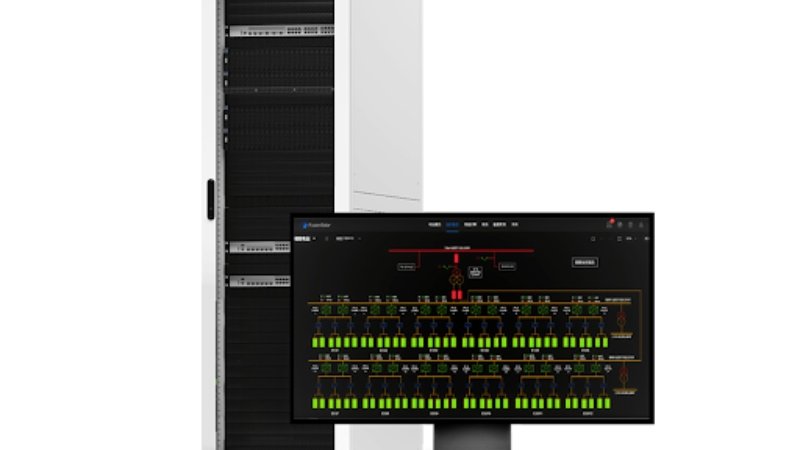
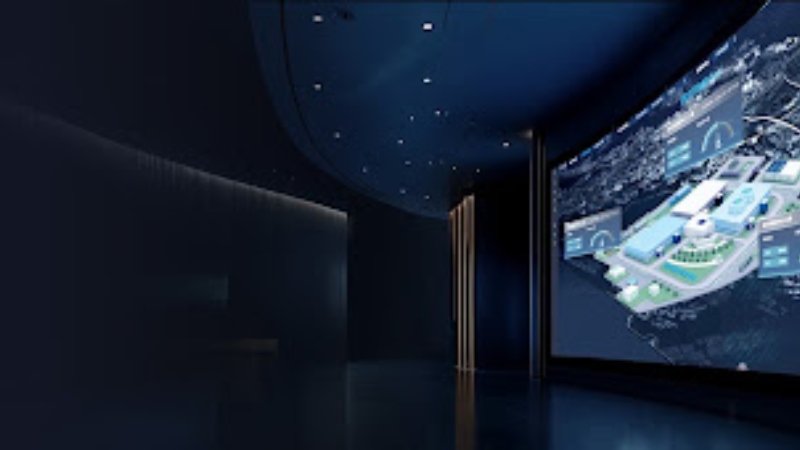
For an operations team coordinating a complex set of critical data center assets, facility operators, IT planners, engineers, and infrastructure owners need to identify how power, data, and controls work together. That review should cover compatibility, communications, and acceptance testing, because the ultimate objective involves compute availability, power quality, heat removal, and lifecycle efficiency. Infrastructure planning becomes easier when each proposed function is connected to an owner, a measurement, and a realistic operating scenario. A good plan links these practical questions to tests, documented responsibilities, and realistic site conditions.
Asset relationships
Monitoring needs accurate links between racks, PDUs, cooling systems, and the upstream electrical distribution chain. Any related promise should be linked to a documented test method and to the operating conditions for which it applies.
Check capacity under failure.
An N+1 label says little unless the remaining modules can carry the actual critical load after a failure. Acceptance testing should cover the transition behavior, not only steady-state ratings.
Alarm correlation
A cooling alert and several equipment warnings may have one cause; correlation helps operators identify the right response. The responsible team should keep evidence of the assumptions and explain which conditions would trigger a design review.
Trace the power chain.
Utility input, backup supply, UPS systems, distribution, and rack feeds form one operational path. A nominally redundant design may still contain shared dependencies that need testing.
When comparing an integration approach, review DCIM system with the proposed control architecture and acceptance criteria. Check that responsibility for each interface is explicit.
Integrations
Open, well-governed interfaces help facility monitoring share relevant signals with IT service workflows. This is also a useful point to identify the maintenance team, the safety procedure and the records needed during a future fault.
Capacity intelligence
A free rack space is not evidence of spare power or cooling; live capacity models need both. The owner can ask the designer to identify the measurement that would confirm this expectation after the system is commissioned.
Operator workflows
Dashboards should connect incidents to named roles, ticketing and recovery procedures. Before approving equipment, ask for a drawing or operating scenario that demonstrates the stated function under local conditions.
For systems that need to exchange data or power, compare DCIM system with the agreed integration map and obtain confirmation of relevant interfaces.
Environmental trends
Historical temperature and humidity records can reveal recurring conditions missed by threshold alerts. Before approving equipment, ask for a drawing or operating scenario that demonstrates the stated function under local conditions.
For a DCIM system, the decisive question is whether the specified functions can be supported by site evidence, safe procedures and an accountable operating model. Each requirement should be reviewed against the actual project, not assumed to apply everywhere.
A short site review after the first operating season can reveal assumptions that deserve updating before the next expansion.
Confirm the interfaces
The final integrated test should trace critical commands and measurements across the responsible systems. Unclear interface ownership is easier to repair before normal operations begin.