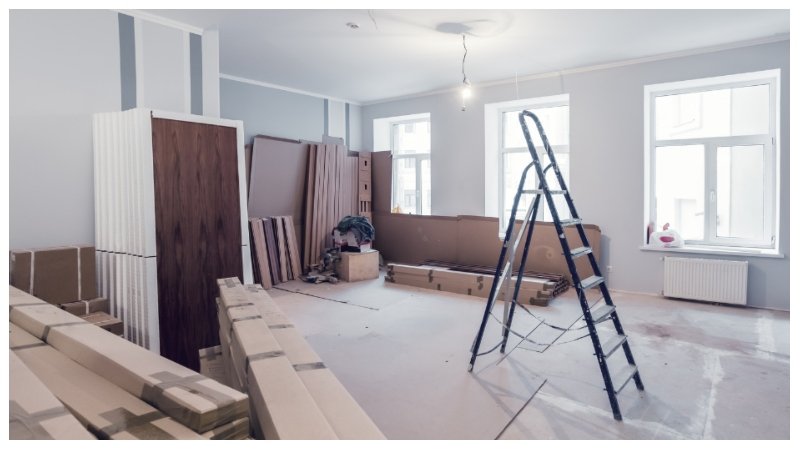
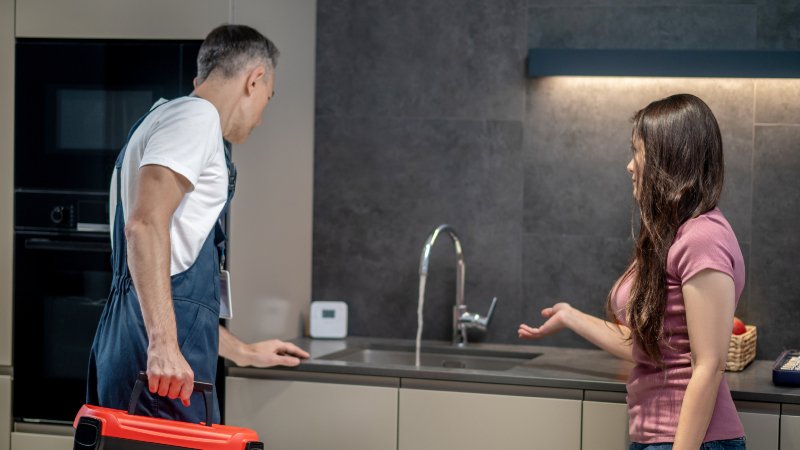
When homeowners start planning a renovation, most of the attention naturally goes to design choices like tiles, cabinetry, lighting, and layout. Yet beneath every visually impressive remodel lies a system that determines whether the space actually functions smoothly in daily life. If you are working with a Lexington plumber early in your renovation planning, you are already making one of the most important decisions for long-term comfort and performance.
Plumbing is rarely the first thing people think about when imagining a dream kitchen or bathroom, but it is often the factor that decides whether that dream becomes a frustration or a success. Pipe routing, water pressure balance, drainage design, and system upgrades are not decorative choices; they define how reliably a home operates after the renovation is complete.
Why plumbing planning should lead your renovation strategy
A well-designed renovation does not begin with finishes; it begins with infrastructure. Every sink relocation, shower expansion, or kitchen island installation requires coordination with existing water and drainage systems. When plumbing is treated as an afterthought, it often results in costly redesigns or functional compromises that limit the value of the renovation.
A skilled plumbing professional ensures that the new layout is not only visually appealing but also structurally realistic. For example, relocating a bathroom might look simple on paper, but it can require extensive changes to venting systems and drain slopes. Without early planning, homeowners often face unexpected construction delays or budget overruns that could have been avoided.
Bathroom and kitchen spaces demand more than surface-level design
Bathrooms and kitchens are the most plumbing-intensive areas in any home, which makes them especially sensitive during renovations. A common mistake is focusing entirely on fixture aesthetics without considering the system behind them. A rainfall showerhead or modern faucet is only as effective as the water pressure and pipe configuration supporting it.
In many remodeling projects, older homes in particular reveal outdated plumbing systems that are not compatible with modern fixtures. Corrosion, narrow pipe diameters, and inefficient layouts can reduce performance even after high-end upgrades are installed. This is where experienced plumbing input becomes essential, especially when integrating modern systems into older structures.
Water heating is another overlooked component. Homeowners often use renovations as an opportunity to upgrade comfort and efficiency, but fail to evaluate whether their current system can support increased demand. Upgrading to tankless systems or optimizing existing heaters can significantly improve performance, especially in larger households.
The role of plumbing in long-term efficiency and property value
Beyond functionality, plumbing decisions have a direct impact on energy efficiency and long-term maintenance costs. Modern systems are designed to reduce water waste, stabilize temperature delivery, and minimize long-term wear on infrastructure. These successful-home-renovation improvements may not be immediately visible after a renovation, but they influence monthly utility costs and future repair needs.
In custom home projects or large-scale remodels, plumbing design also contributes to property value. Buyers rarely see behind walls, but they experience the results every day. Consistent water pressure, reliable heating systems, and leak-free successful-home-renovation performance all contribute to perceived home quality.
Working with a qualified professional such as a Lexington plumber during the planning phase ensures that these invisible systems align with the visible design. This integration is what separates a standard renovation from a truly well-executed one.
When plumbing becomes part of design thinking
Modern renovation approaches increasingly treat plumbing not as a separate technical layer but as part of the design process itself. This shift allows homeowners to explore more creative layouts, such as open-concept bathrooms, successful-home-renovation relocated kitchen islands, or expanded wet rooms.
However, creativity still needs technical grounding. Drainage angles, vent stack placement, and water line capacity all impose real constraints. When these constraints are acknowledged early, designers and homeowners can work within them rather than against them. This results in smoother construction phases and fewer compromises in the final design.
Final thoughts
A successful renovation is not defined only by how it looks when finished, but by how well it performs over time. Plumbing is one of the least visible yet most essential systems that support every daily function in a home.
For homeowners planning upgrades, whether it is a kitchen transformation, bathroom expansion, or full custom build, involving a skilled plumbing expert early in the process ensures that design ambition is matched with structural reliability. Companies like KYPD Plumbing provide the technical expertise needed to support these projects from the inside out, helping turn design concepts into functional, long-lasting spaces.