
Switching shampoos feels like the last thing anyone wants to do when they have finally found one that seems to work. It lathers well, smells good, and has been part of the routine for years. But if hair fall has been steadily getting worse despite consistent washing, the shampoo sitting in the shower might be exactly where the problem starts.
What Does A Shampoo Do?
A shampoo’s primary job is to cleanse. But how it cleanses makes an enormous difference to scalp health over time.
Shampoos that rely on harsh sulfates strip the scalp of its natural oils along with the dirt they are meant to remove. When the scalp’s oil balance is disrupted consistently, it overproduces sebum to compensate. That excess sebum mixes with product residue and dead skin cells, creating congestion that blocks follicles and weakens hair at the root.
The shampoo meant to keep hair clean ends up being the reason it keeps falling.
How Damage Can Go Unnoticed
The damage from a harsh formula is gradual. Hair fall increases slowly, the scalp becomes progressively more reactive, and because nothing changes dramatically overnight, it is never connected to the product being used every few days.
This is why a shampoo used for years is often the last thing people suspect. But gradual damage is still damage.
The best shampoo for hair fall is not the one that has been in the routine the longest. It is the one that actually supports scalp health rather than quietly undermining it.
The Ingredients That Cause Problems
Harsh sulfates get most of the attention, but they are not the only issue. Several other common shampoo ingredients contribute to hair fall in ways most people never connect to their product.
Synthetic fragrances
One of the most common causes of scalp irritation. They have no function beyond scent, but they sit on the scalp after washing and trigger low-level inflammation in sensitive skin. Inflamed follicles produce weaker hair and shed it earlier in the growth cycle.
Silicones
To coat the hair shaft and create the appearance of smooth, shiny hair. The problem is that they build up on the scalp over time and create a layer that blocks follicle openings. Hair looks good on the surface, while the scalp underneath becomes increasingly congested.
High concentration preservatives
Like certain parabens and formaldehyde releasers keep the product shelf stable,e but cause cumulative irritation on the scalp with repeated long-term exposure.
None of these causes dramatic overnight reactions, which is exactly why they go unnoticed for so long.
Why So Many Pakistani Shampoo Brands Get This Wrong
The Pakistani market is full of shampoos that promise thicker and stronger hair on the front of the bottle, while the ingredient list tells a different story.
Pakistani shampoo brands that are worth trusting prioritize scalp health in the formulation rather than just surface-level results. A shampoo that leaves hair looking good for a day while damaging the scalp it grows from is not a good shampoo. It is a trade-off that gets worse with every wash.
What is a Scalp-Supportive Shampoo
Plant-based ingredients have been used in hair care across the subcontinent for generations because they work with the scalp rather than against it.
Neem controls bacterial overgrowth that contributes to scalp congestion and follicle blockage. Amla is rich in Vitamin C and tannins that strengthen hair follicles and have been used specifically for hair fall prevention in South Asian hair care for centuries. Onion extract provides sulfur that supports keratin production at the root, which is why it is one of the most researched natural ingredients for reducing shedding.
These ingredients cleanse effectively while actively supporting the environment hair needs to grow.
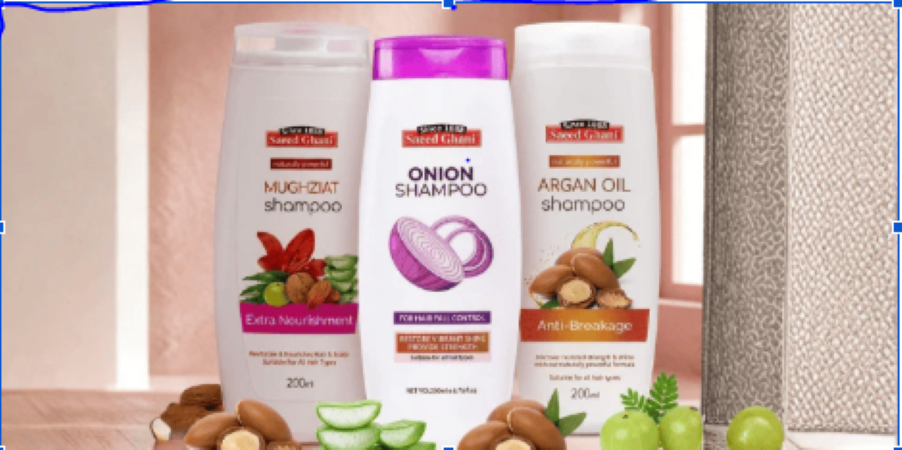
Saeed Ghani’s Anti-Hairfall Onion Shampoo targets hair fall through sulfur-rich onion extract that works at the follicle level. The Neem and Mint Refresh Shampoo addresses scalp congestion and bacterial buildup, particularly relevant in Pakistan’s heat and humidity, where the scalp gets overworked faster than in cooler climates.
Signs the Current Shampoo Might Be the Problem
Hair fall is increasing gradually over months without any other obvious cause. A scalp that feels itchy or oily again within a day of washing. Hair that looks fine on the surface but sheds in larger amounts than it used to.
Together, these points point to a scalp that is not being properly supported by its current cleansing routine.
Making the Switch
The scalp needs a few weeks to rebalance after years of being stripped consistently. The first few weeks of a gentler formula can feel like the hair is getting oilier before it improves. That is the scalp recalibrating, not a sign that the new product is not working.
Give it four to six weeks before making a judgment. Saeed Ghani’s shampoo range is a straightforward starting point for anyone ready to address hair fall at the root rather than just treating the symptoms on the surface.