Key Takeaways
- Web app design trends improve user experience and engagement.
- Accessibility and simplicity are key priorities.
- AI personalization and 3D visuals enhance interaction.
- Dark mode and modern styles improve comfort and appeal.
- Successful apps balance innovation with usability.
As technology continues to evolve, web app design trends are rapidly changing to meet user expectations and enhance user experience. Staying up to date with these trends is crucial for developers and designers aiming to create engaging and effective web applications. Leveraging up-to-date web app UI design inspirations helps teams remain competitive in a saturated digital landscape. Understanding which trends have a real impact on users and which are short-lived can be challenging. The most effective web app designs prioritize user comfort, accessibility, interactivity, and personalization, leading to higher user retention and satisfaction. Examining these trends is not only about keeping up with visual styles but also about adopting features that enhance usability and value for end users.
Consumer demands and digital behaviors evolve quickly, compelling designers to focus on adaptable and accessible designs. Developers are integrating advanced technologies, whether by incorporating immersive elements or introducing smart content delivery that tailors itself to each user’s needs. These innovations are instrumental in setting successful web apps apart from the competition. As organizations compete to deliver seamless, delightful user experiences, adopting the latest design advancements becomes a strategic necessity rather than a cosmetic choice. From accessibility features to visual aesthetics, each trend brings distinct advantages and can define the success of modern web applications.
- Embracing dark mode and light mode options enhances user comfort and accessibility.
- Minimalist designs focus on essential content, improving usability and reducing cognitive load.
- Incorporating 3D graphics and illustrations adds depth and interactivity to web applications.
- AI-powered personalization tailors user experiences, increasing engagement and satisfaction.
- Neumorphism and glassmorphism offer modern, tactile aesthetics that enhance visual appeal.
Dark Mode and Light Mode Options
Providing users with the choice between dark and light mode has become an expected feature in modern web applications. These options allow individuals to customize their interface depending on environmental lighting and personal preference, fostering accessibility for users with visual sensitivities and reducing eye strain during extended sessions. Integrating this flexibility sends a clear message that user comfort is a design priority and has been widely adopted by brands that value inclusive experiences. Big tech firms such as Microsoft have embraced these themes to promote better visibility and comfort for all users. Dark and light modes also play an important role in extending device battery life, particularly for OLED screens, where darker interfaces consume less power. This sustainability aspect is becoming increasingly important among environmentally conscious users. Additionally, designers are experimenting with creative color schemes that complement each mode, ensuring that branding and aesthetics remain intact regardless of user preference. Providing seamless transitions between modes further enhances the experience, making applications feel fluid, responsive, and thoughtfully crafted.
Minimalist Design
The shift toward minimalist web design eliminates clutter and non-essential elements, resulting in cleaner layouts and more intuitive navigation. By allowing the core functionality and content to take center stage, minimalism enhances usability and digital efficiency. This approach streamlines the decision-making process for users, making it easier for them to focus on tasks and complete actions without distraction. Leading industry analysis from UX Design highlights that minimalist themes can improve both engagement and user satisfaction by reducing confusion and supporting rapid information retrieval.
Minimalist design is not only about reducing visuals or interface elements, but also about incorporating thoughtful whitespace and optimizing typography for legibility. By carefully organizing content and using visual hierarchy, designers can guide users’ attention more efficiently. Furthermore, minimalism contributes to faster load times and improved performance, which are essential factors for retaining users who expect speed and responsiveness from modern web apps.
3D Graphics and Illustrations
The incorporation of 3D graphics and interactive illustrations is redefining user engagement within web applications. These elements offer new layers of depth and realism, making interfaces more dynamic and visually compelling. Real-time rendering technologies and powerful browser engines enable designers to seamlessly blend 3D content with flat design elements, resulting in immersive experiences that capture attention. For example, 3D onboarding animations and product visualizations can increase engagement and boost conversion rates by helping users better visualize products and understand features. New tools and frameworks are making it easier for designers and developers to create and integrate 3D content without sacrificing performance, even on lower-spec devices. Additionally, 3D design creates more opportunities for storytelling within web apps; interfaces can be brought to life with interactive scenes, gamified elements, or visually rich feedback animations that guide and reward users. This approach not only dazzles users but also makes key workflows more memorable and effective.
AI-Powered Personalization
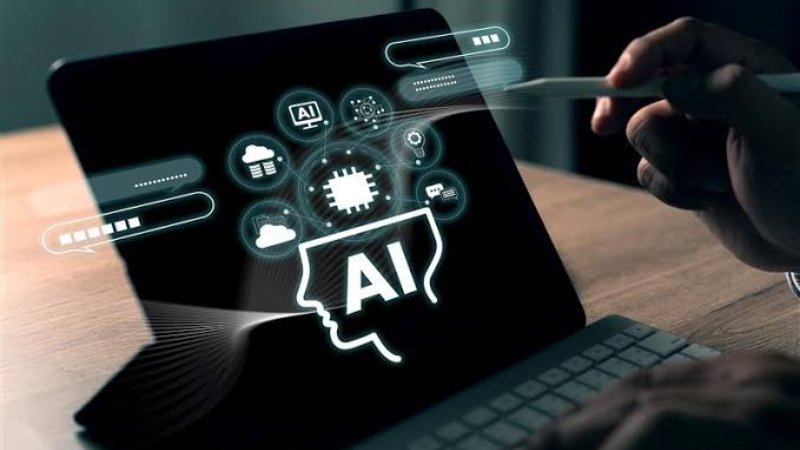
Artificial Intelligence continues to transform web app design by enabling adaptive, personalized experiences. AI algorithms analyze user behaviors, preferences, and past interactions to dynamically adjust content, recommendations, and interface components for each individual. This approach not only makes digital products feel more relevant but also fosters brand loyalty by offering unique, memorable user journeys. Personalized dashboards, curated news feeds, and individualized shopping suggestions are just a few examples of how AI can make web applications smarter and more responsive to user needs. The future of AI in web app design extends far beyond recommendations. Machine learning can drive real-time translation for diverse global audiences, automate routine tasks within apps to enhance productivity, or dynamically update interface accessibility based on a user’s preferences and assistive needs. As these algorithms improve, users will continue to benefit from ever more refined and anticipatory app experiences, further deepening trust and long-term engagement with the platform.
Neumorphism and Glassmorphism
Emerging design languages such as neumorphism and glassmorphism give contemporary web apps a tactile, futuristic appearance. Neumorphism brings interface elements to life with soft, extruded shadows and highlights, creating surfaces that seem both tangible and subtle. Glassmorphism, on the other hand, uses transparency and background blurring to simulate frosted glass, producing layered, airy effects. Although these styles require careful implementation to maintain usability and accessibility, when used appropriately, they enhance the visual appeal and modernity of user interfaces.
Both neumorphism and glassmorphism are particularly effective when paired with micro-interactions, small, animated feedback responses such as button presses or hover effects that make the interface feel alive. Designers should also consider accessibility requirements, ensuring sufficient color contrast and readable text atop translucent layers. When executed thoughtfully, these trends provide distinctiveness without sacrificing the clarity and efficiency users demand in professional web applications.
Conclusion
Keeping pace with current web app design trends is vital for building products that are visually engaging, user-centric, and competitive in today’s market. The integration of dark and light modes, minimalist layouts, interactive 3D graphics, AI-driven personalization, and innovative aesthetic styles such as neumorphism and glassmorphism offers meaningful benefits. By continually iterating on and adopting these design advancements, organizations can create web applications that delight users and set high standards for digital experiences. Ultimately, the most successful web apps blend technical innovation with psychological understanding of their users. Teams that prioritize ongoing learning, user feedback, and flexible design approaches will remain best positioned to meet the changing demands of the digital landscape. As trends continue to shift and evolve, keeping the user experience at the forefront ensures lasting impact and success.