
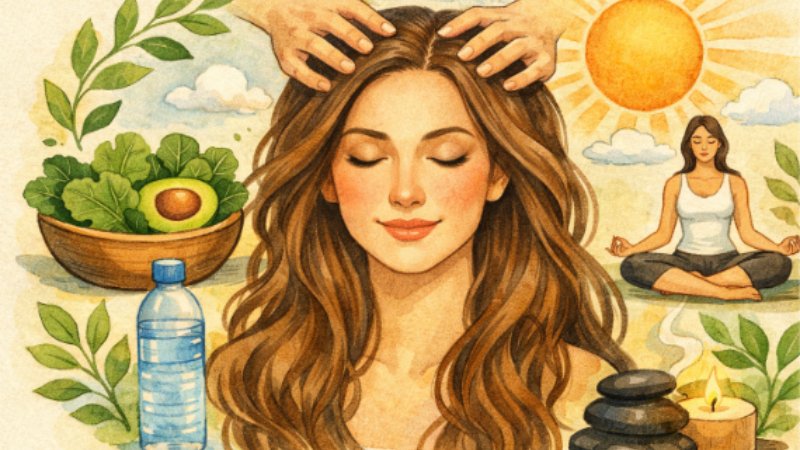
Key Takeaways
- Optimal hair health begins with a balanced diet rich in essential nutrients.
- Managing stress and making positive lifestyle choices help preserve hair strength and vitality.
- A well-maintained scalp is crucial for long-term hair growth.
- Natural supplements may offer additional support to meet hair goals.
Table of Contents
- Nutrition and Hair Health
- Stress Management and Lifestyle
- Scalp Care Essentials
- Natural Supplements for Hair Vitality
- Conclusion
Maintaining healthy, vibrant hair is a journey that extends far beyond choosing the right shampoo. Women everywhere strive for stronger, more resilient hair, but achieving these results calls for a comprehensive approach. A long-term strategy that addresses nutrition, daily habits, and scalp health promotes lasting results and supports natural beauty. Integrating nourishing routines, mindful practices, and dedicated scalp care into your wellness plan can unlock the full potential of your hair. Early intervention, using high-quality tools, and incorporating Nutrafol hair growth products for women into a hair care regimen can deliver visible results alongside improved overall well-being.
While external treatments can certainly help, vibrant hair truly begins from within. The choices you make in your diet, how you manage stress, and how you treat your scalp ultimately affect hair quality and growth. A holistic perspective acknowledges that these factors work together to ensure healthier, more beautiful hair at every stage of life.
Nutrition and Hair Health
The health of your hair is directly influenced by the nutrients you consume. Protein, iron, zinc, vitamins A, C, D, and E, and biotin are especially important for hair growth and strength. Diets lacking these nutrients can lead to brittle, thin hair or increased shedding.
Whole foods offer the best source of these important nutrients. Incorporate leafy greens for iron, eggs for biotin, fatty fish and nuts for omega-3s, and citrus fruits for vitamin C. When your body receives the nourishment it needs, new hair growth becomes more robust and resilient, as supported by research from the National Institutes of Health.
Water consumption also plays a surprisingly critical role in maintaining optimum hair health. Staying properly hydrated keeps hair flexible and less likely to become dry, brittle, or split. Drinking enough water each day supports the transport of essential vitamins and minerals throughout the body, further promoting hair vitality. Additionally, limiting excess sugar and processed foods helps avoid nutritional imbalances that might stunt healthy hair growth. Paying attention to your hydration and overall nutrient intake creates the foundation for shiny, resilient strands.
Hormonal fluctuations, which can occur due to pregnancy, menopause, or changes in birth control, may also impact the body’s ability to absorb and utilize nutrients. In these cases, it’s even more important to monitor your diet and consult healthcare professionals for targeted nutritional advice to address unique needs during life transitions.
Stress Management and Lifestyle
The link between chronic stress and hair loss is well established. Stress disrupts the natural hair growth cycle, resulting in more noticeable shedding or thinning. Stress-reducing practices such as yoga, meditation, and deep-breathing exercises not only improve emotional well-being but also positively impact hair growth.
Quality sleep is another essential factor. As the body repairs itself during rest, hair follicles have an opportunity to rejuvenate and grow. Prioritizing consistent sleep and regular physical activity can help maintain a healthy environment for hair to thrive. Healthy habits such as limiting heat styling and harsh chemical treatments further protect hair from damage and breakage.
Developing a supportive social network and taking regular breaks from daily routines are beneficial, too. Time spent outdoors, engaging in hobbies, or practicing mindfulness encourages a healthy mindset and has been linked to reduced stress, which can, in turn, support the hair growth cycle. Experimenting with different relaxation techniques can help you find the most effective personal strategy for reducing stress and maintaining mental and physical wellness, including your hair’s health.
Scalp Care Essentials
A neglected scalp can impede hair growth and detract from hair’s appearance. Establishing a scalp care routine is just as important as caring for hair itself. Regular and gentle cleansing is necessary to remove product buildup, dead skin, and oil that can clog hair follicles.
Massaging the scalp with fingertips or a soft brush promotes blood circulation, ensuring that hair follicles receive adequate oxygen and nutrients for optimal growth. Opt for mild, sulfate-free shampoos and conditioners formulated with natural ingredients to avoid scalp drying or irritation. Limiting exposure to harsh hair dyes or styling products also protects delicate skin and new hair growth.
Dermatologists frequently emphasize the connection between scalp and hair health, and regular care can make a visible difference, as Harvard Health Publishing notes.
For those experiencing scalp concerns such as dandruff, itchiness, or sensitivity, targeted treatments, including soothing oils, gentle exfoliants, or specialized masks, can offer relief and restore balance. Avoid scratching or over-washing, which can exacerbate irritation and weaken hair at the root. Consistency is key: tending to scalp health weekly will result in stronger, less breakage-prone hair in the long run.
Natural Supplements for Hair Vitality
For women with dietary restrictions or specific nutritional gaps, supplements can provide extra support. Popular options include biotin, marine collagen, vitamin D, and omega-3 fatty acids, all of which have been shown in research to improve hair health and growth.
It is vital to consult a healthcare provider before beginning any new supplement, as individual deficiencies and needs may vary. Quality supplements can complement a nutritious diet and set the stage for stronger, healthier hair over time.
In addition to single-ingredient supplements, comprehensive hair wellness formulas, often available as capsules or gummies, combine several nutrients in one serving. These blends may be formulated for specific needs, such as post-partum hair recovery, aging, or targeting hair thinning during particular life stages. Tracking your results, such as taking progress photos or noting changes in shedding or texture, helps to determine if a supplement routine is making a difference. Remember that consistency and patience are crucial, as it may take several months of use to notice visible improvements.
Conclusion
Achieving and maintaining beautiful hair is possible through a holistic approach that integrates optimal nutrition, effective stress management, mindful lifestyle habits, and dedicated scalp maintenance. Along with careful consideration of natural supplements, these strategies support both immediate and long-term hair health goals. With consistent attention to these key foundations, women can unlock the potential for strong, vibrant hair that reflects their overall wellness.
Ultimately, understanding and supporting your body’s unique needs empowers you to make informed choices that benefit not only your hair but also your total well-being. By cultivating healthy daily routines, listening to your body’s signals, and adapting your self-care practices across the changing stages of life, you set the stage for enduring hair vitality and natural beauty. Whether your goal is to recover from hair challenges or simply to maintain healthy locks, taking proactive, mindful steps will ensure your hair remains your crowning glory for years to come.