
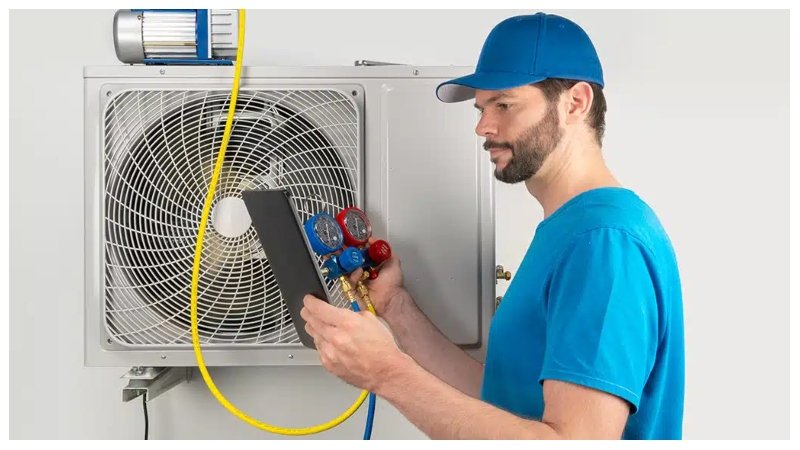
My neighbour Rajan ignored his AC for three summers straight. Filters untouched, outdoor unit buried under dust, drainage line quietly growing algae. Then one June morning – 44°C outside – the thing gave up entirely. Compressor gone. ₹40,000 repair bill. Two days without cooling while waiting for parts.
He told me afterward, “I thought if it’s running, it’s fine.” That assumption costs people a lot of money every single year.
Running and running well are two completely different things. Here’s what consistent air conditioning service & repair actually does for you – and why emergency HVAC services exist mostly because people wait too long.
Your Electricity Bill Is Quietly Getting Worse
A dirty, under-maintained AC can burn up to 25% more electricity than a clean one. Not because anything has visibly broken – just because dust on the coils, clogged filters, and low refrigerant all make the system work harder to do the same job.
That extra load shows up on your bill every month. Quietly. Without any warning light.
What’s actually dragging efficiency down:
- Clogged filters restrict airflow, forcing longer cooling cycles
- Dirty evaporator coils reduce heat absorption – the AC runs but doesn’t cool properly
- Refrigerant loss makes the compressor strain to compensate
- Blocked drainage causes humidity control to suffer, making rooms feel warmer than they are
A single annual service addresses all of these. The cost of the service is almost always less than what you’re losing monthly in wasted electricity.
What a Proper Air Conditioning Service & Repair Visit Should Actually Include
There’s a difference between a technician showing up, hosing down the outdoor unit, and calling it done – versus a thorough inspection. Make sure yours includes the following.
The checklist that matters:
- Coil cleaning (both indoor and outdoor) – the outdoor condenser especially collects debris that chokes heat release
- Filter cleaning or replacement – simple, but skipped more often than you’d think
- Refrigerant level check – if it’s low, a good technician finds the leak rather than just topping it up
- Condensate drain clearance – a blocked drain overflows indoors; nobody enjoys that discovery
- Electrical component inspection – capacitors, contactors, and wiring connections that quietly degrade
- Thermostat accuracy check – a 2°C calibration error means your system either overcools or undershoots all day
None of this is complicated. But all of it is skipped when people assume “if it’s cooling, it’s fine.”
The Real Reason Emergency HVAC Services Cost So Much
Emergency calls aren’t expensive because technicians are greedy. They’re expensive because everything about the situation costs more.
Parts sourced urgently cost more than parts ordered in advance. After-hours labour rates are higher. And during peak summer, demand is so high that even getting someone out within 24 hours is a win.
A planned service in March: ₹1,500–₹3,000. Emergency callout in June after a complete breakdown: potentially ₹6,000 just for the visit, before a single part is touched.
Situations where emergency HVAC services are unavoidable:
- Electrical surge damage
- Manufacturing defects that surface without warning
- Refrigerant leak causing sudden failure
These happen. That’s why having a trusted emergency HVAC services contact saved in your phone before you need them is genuinely smart. Searching at midnight during a heatwave is not the time to evaluate technician reviews carefully.
But the majority of summer breakdowns? Preventable. Dirty coils, failed capacitors, and frozen evaporators don’t appear overnight. They build up slowly – and a yearly check catches them before they become a crisis.
The Health Side Nobody Talks About Enough
A neglected AC isn’t just inefficient. It’s circulating whatever has accumulated inside it – dust, mould spores, bacteria – directly into your breathing air.
What poor maintenance does to indoor air quality:
- Mould grows inside damp, dirty units and gets blown into the room
- Dust bypasses clogged filters and circulates freely
- Poor dehumidification raises indoor humidity, which worsens respiratory symptoms and encourages further mould growth
People with asthma or allergies notice this first. But even without pre-existing conditions, consistently breathing recirculated mould spores is not doing anyone any favours. A clean, serviced unit filters and dehumidifies properly. That’s what you’re actually paying for.
How Often Should You Book an Air Conditioning Service & Repair?
Once a year is the minimum. Twice a year if you’re in a dusty area or run your unit 10+ hours daily.
Timing matters. Service your AC in March or early April – before summer rush season. Technicians are less stretched, wait times are shorter, and you head into peak heat with everything already confirmed to be working.
The Short Version
Your AC gives you clear signals before it fails. Strange noises, weak airflow, warm air, water leaking indoors, a smell that wasn’t there before – all of these are fixable cheaply when caught early and expensive when ignored.
Schedule the air conditioning service & repair before summer hits. Save a reliable emergency HVAC service contact just in case. And stop assuming that running means fine.
Rajan now books his service every February. He hasn’t had a problem since.
FAQ
Can I do any of this myself?
Yes – cleaning or replacing the air filter every 4–6 weeks during heavy use is easy and genuinely worth doing. Everything else (coils, refrigerant, electrical) needs a professional.
How do I know if it needs refrigerant?
Weak cooling despite the unit running, ice forming on the copper lines outside, or a faint hissing sound near the unit. A technician confirms with a gauge.
Repair or replace an old unit?
If the repair costs more than 50% of a new unit’s price and the AC is over 8–10 years old, replace it. Newer models are significantly more energy efficient, and the savings compound fast.
What’s causing the musty smell?
Mould or bacterial growth inside the unit, usually in the drainage tray or on the coils. Needs a proper deep clean, not just a filter change.
How long does a service take?
A basic split AC service: 45 minutes to 1.5 hours. A deep coil clean: up to 3 hours. Click here for more information.